







Subcategories


Are triple glazed roof lanterns worth it?
Triple glazed roof lanterns are worth considering if you want improved insulation, reduced condensation, lower energy bills, and better year-round comfort in your home extension. Although they cost more than double glazed roof lanterns, they provide stronger thermal performance, improved sound insulation, and better heat retention during colder months.
They are especially beneficial for larger kitchen extensions, orangery roofs, or open-plan rooms with significant glass coverage and high ceilings.
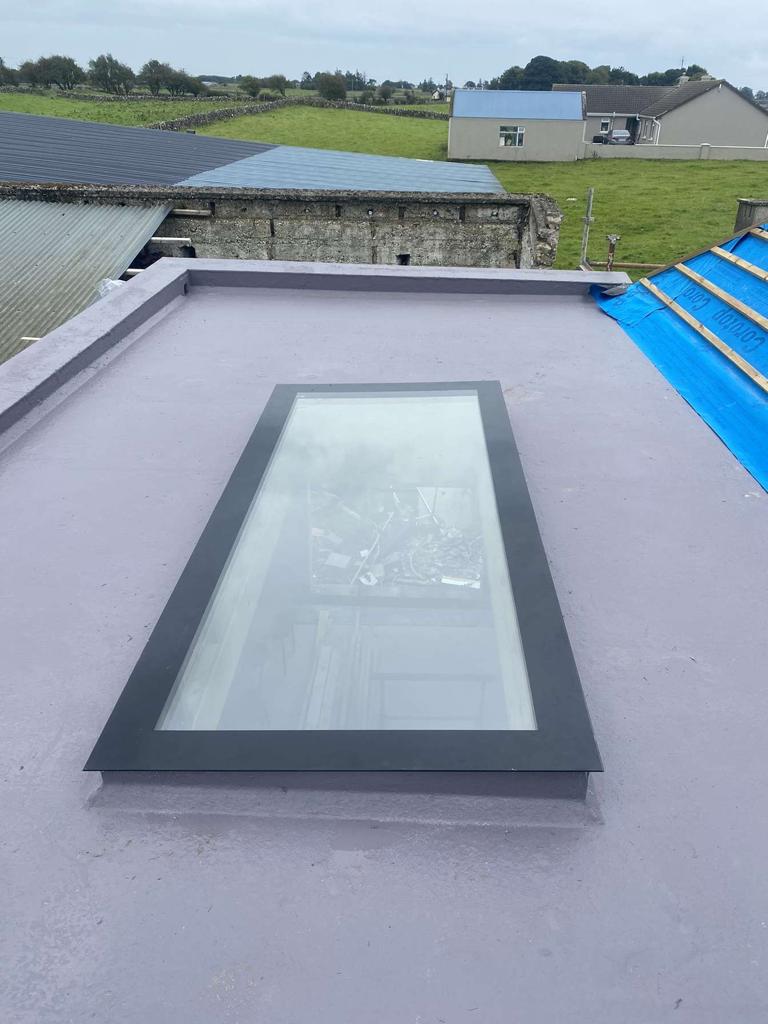
What is the U-value of a triple glazed roof lantern?
A triple glazed roof lantern typically has a U-value between 0.8 W/m²K and 1.2 W/m²K, depending on the frame material, glazing specification, and thermal break technology. The lower the U-value, the better the insulation performance.
Many homeowners choose triple glazed roof lanterns to improve energy efficiency, reduce heat loss, and help meet modern UK building regulations. Aluminium roof lanterns with thermally broken frames and argon-filled glass units usually provide the best thermal performance for contemporary flat roof extensions.
For modern extensions and flat roof projects, a low U-value roof lantern can help maintain comfortable indoor temperatures throughout the year while reducing heating costs and improving overall energy efficiency.
How much heat is lost through a roof lantern?
Heat loss through a roof lantern depends on the glazing type, frame quality, U-value, and installation method. Older or poorly insulated roof lanterns can lose significant heat during winter, increasing heating costs and reducing indoor comfort.
However, modern triple glazed roof lanterns in the UK with thermally efficient aluminium frames, warm edge spacers, and high-performance glazing are designed to minimise heat transfer and help retain indoor warmth more effectively.