







Subcategories


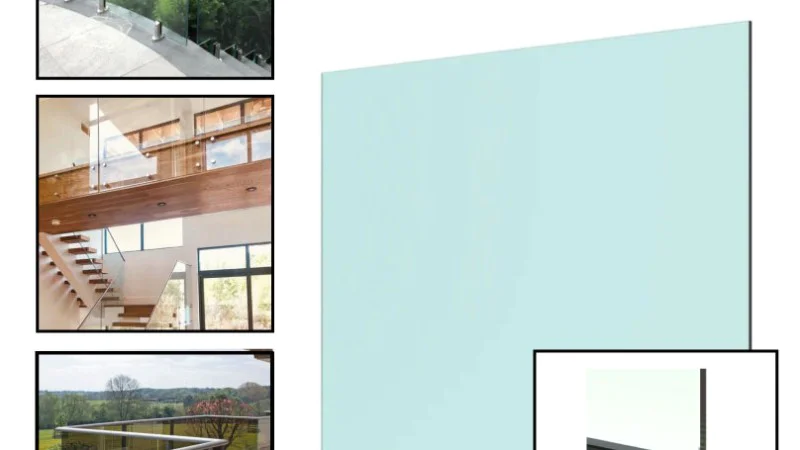
What is the difference between toughened and laminated glass?
Toughened glass and laminated glass are both safety glass products, but they perform differently when subjected to impact. Toughened glass is heat-treated during manufacture to make it significantly stronger than standard glass and more resistant to breakage. Laminated glass consists of two or more panes bonded together with a durable interlayer, which helps hold the glass in place if it breaks.
Many frameless glass balustrade UK systems use toughened laminated glass because it combines the strength of toughened glass with the added safety benefits of lamination. This combination provides excellent durability, security, and compliance with UK building regulations.
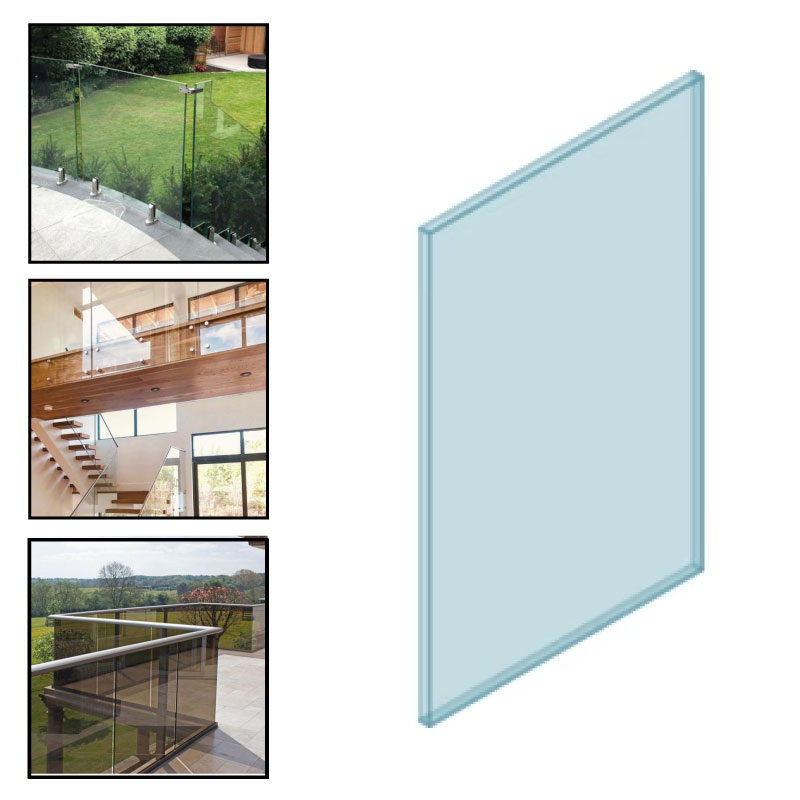
Which is stronger: toughened or laminated glass?
Toughened glass is generally stronger in terms of impact resistance and can withstand greater force before breaking compared to standard glass. However, laminated glass offers superior safety because the interlayer keeps broken fragments bonded together if the glass is damaged.
In many balustrade applications, the strongest and safest solution is toughened laminated glass, which combines both technologies into a single product. This provides enhanced structural performance while reducing the risk of falling glass fragments. Frameless glass balustrade UK installations often use toughened laminated panels because they meet strict safety standards and provide reliable long-term performance.
Is laminated glass required for balconies?
Yes, laminated safety glass is commonly required for balcony balustrades in the UK because it provides an additional level of protection if breakage occurs. Building regulations and structural requirements often specify laminated glass in elevated applications where preventing glass from falling is critical. The interlayer within the laminated glass helps maintain the integrity of the panel even if one layer is damaged.
Many frameless glass balustrade UK systems designed for balconies use toughened
laminated glass to meet these safety requirements while providing unobstructed
views and a modern appearance. Professional specification is important to ensure full compliance with
applicable regulations.