







Subcategories


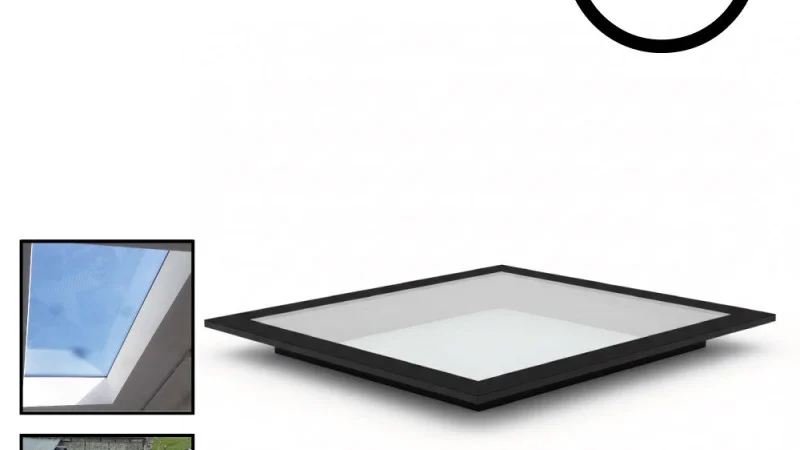
Can roof lanterns be installed on flat roofs?
Yes, roof lanterns are specifically designed for flat roof installations and are one of the most popular ways to introduce natural light into home extensions, kitchen renovations, and orangery projects across the UK. They are typically installed onto a purpose-built upstand or roof kerb, which raises the lantern above the roof surface and helps ensure effective drainage and weather resistance.
Modern roof lanterns are available in aluminium, uPVC, and thermally efficient glazing options to suit different property styles and performance requirements. A well-designed roof lantern can transform a flat roof extension by creating a brighter, more spacious feel while enhancing the overall appearance of the room.

What roof pitch is required for a roof lantern?
Most roof lanterns in UK require a minimum roof pitch of between 5 and 15 degrees to allow rainwater to drain efficiently from the glazing and framework. The exact pitch requirements vary depending on the manufacturer and roof lantern design. A suitable pitch helps prevent water pooling, improves weather performance, and keeps the glass cleaner by allowing rainwater to wash away dirt and debris.
Many modern aluminium roof lanterns are engineered with optimised roof pitches to balance appearance, drainage, and thermal performance. Always check the manufacturer's specifications to ensure the roof lantern complies with installation and warranty requirements.
Are roof lanterns energy efficient on flat roofs?
Yes, modern roof lanterns are designed with energy efficiency in mind and can perform exceptionally well when installed correctly on flat roofs. Most high-quality systems use double or triple glazed units with low-emissivity coatings and thermally broken aluminium frames to reduce heat loss.
These features help maintain comfortable indoor temperatures throughout the year while maximising natural daylight. Many homeowners choose thermally efficient roof lanterns to reduce reliance on artificial lighting and improve the energy performance of their extensions. Selecting the correct glazing specification is important for achieving the best balance of insulation, solar control, and natural light.