







Subcategories


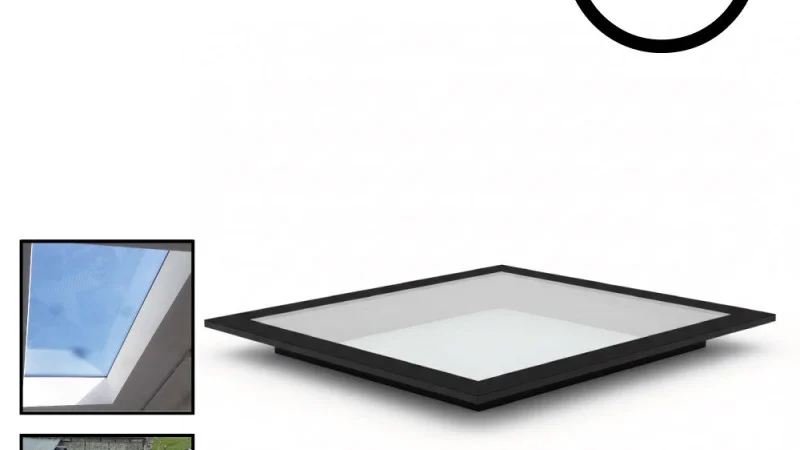
What is the best glass specification for a roof lantern?
The best glass specification for a roof lantern typically includes low-emissivity (Low-E) coating, solar control glass, argon gas-filled units, and toughened safety glass. This combination improves thermal insulation, reduces heat loss, and enhances safety. For most UK homes, double glazing is standard, but triple glazed roof lanterns offer higher energy efficiency and better noise reduction. South-facing installations benefit most from solar control glass, which helps reduce overheating while still allowing strong natural light.
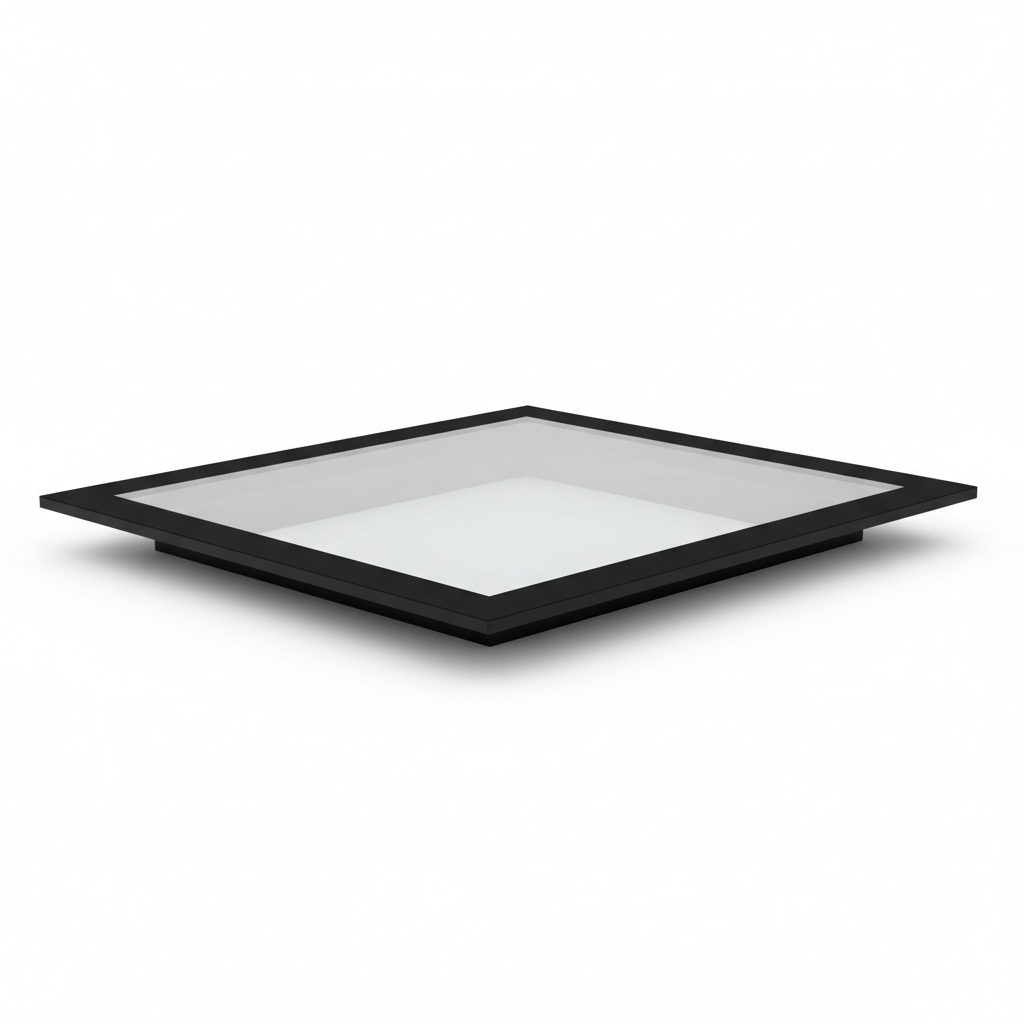
What thickness glass is used in roof lanterns?
Roof lantern glass thickness usually ranges from 24mm to 44mm, depending on the system design and performance requirements. Thicker units generally provide better insulation and soundproofing. The exact specification depends on whether the lantern is double or triple glazed and the size of the panels used in the frame. Larger roof lanterns often require thicker, stronger glass for structural performance and safety compliance.
Is toughened glass required for roof lanterns?
Yes, toughened or laminated safety glass is required for roof lanterns in the UK to meet building regulations. This ensures the structure is safe in case of impact or extreme weather conditions. Safety glass is designed to be much stronger than standard glass and, if broken, shatters into small, less dangerous pieces. Most modern roof lantern systems combine toughened outer panes with laminated inner layers for added protection.