
























Subcategories


How much insulation do I need under underfloor heating?
The amount of insulation required under underfloor heating depends on floor type, system design, and UK building regulations. For ground floors, thicker insulation boards are usually recommended to minimise downward heat loss and improve efficiency. Proper insulation helps the system heat up faster, maintain consistent temperatures, and reduce overall running costs. Without adequate insulation, a large amount of heat can escape into the subfloor, making the system less efficient and more expensive to run.

What thickness insulation board should I use for underfloor heating?
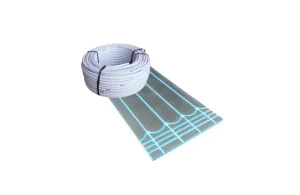
Insulation board thickness typically ranges from around 6mm for low-profile electric underfloor heating systems up to 50mm or more for wet underfloor heating installations. The correct thickness depends on the floor construction, heat output requirements, and available build height. Thicker insulation is generally used on ground floors to maximise heat retention, while thinner boards may be suitable for upper floors where heat loss is lower. Choosing the right thickness ensures better system performance and energy efficiency.
How much heat is lost without insulation under UFH?
Without proper insulation, a significant amount of heat from an underfloor heating system can be lost downward into the subfloor instead of heating the room above. This reduces system efficiency, increases warm-up times, and leads to higher energy consumption and running costs. Insulation acts as a thermal barrier, directing heat upward where it is needed most. Installing suitable insulation boards helps maintain consistent indoor temperatures and ensures the underfloor heating system performs effectively and economically over time.