









Subcategories


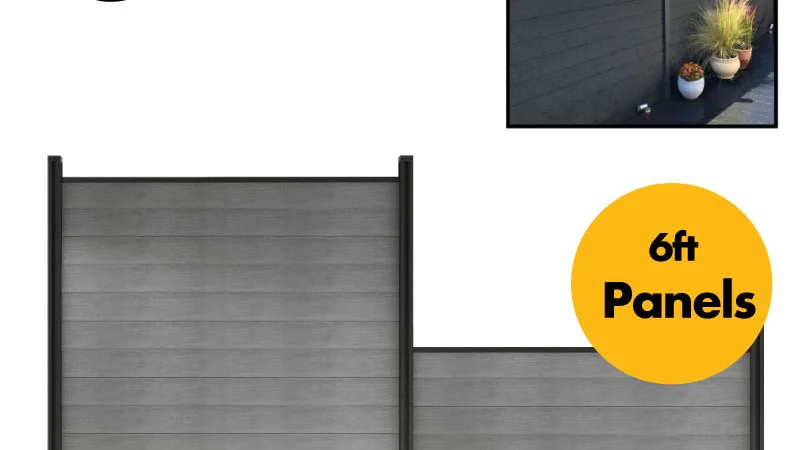
How do you install composite fencing?
Composite fencing in the UK is typically installed using fence posts, base rails, and interlocking composite fence panels. Most systems are designed for straightforward installation, making them popular for residential gardens and boundary projects.
The process usually involves securing fence posts into concrete foundations, fitting bottom support rails, and sliding composite boards into position between the posts.
Many composite fencing systems are modular, allowing panels to be installed quickly and adjusted to suit different garden layouts. Homeowners often choose composite fencing because it provides a modern appearance, strong durability, and lower maintenance requirements compared to traditional timber fencing.
Can you install composite fencing yourself?
Yes, many composite fencing systems are designed for DIY installation and can be fitted by homeowners using basic tools and careful measurements.
Smaller garden fencing projects are often suitable for self-installation, especially when using modular composite fence panels with simple interlocking systems. Proper spacing, accurate post alignment, and secure foundations are important to ensure long-term performance and stability.
Larger fencing projects or uneven ground conditions may benefit from professional installation to achieve the best finish. Many homeowners choose DIY composite fencing because it can reduce labour costs while still creating a modern and durable boundary solution.
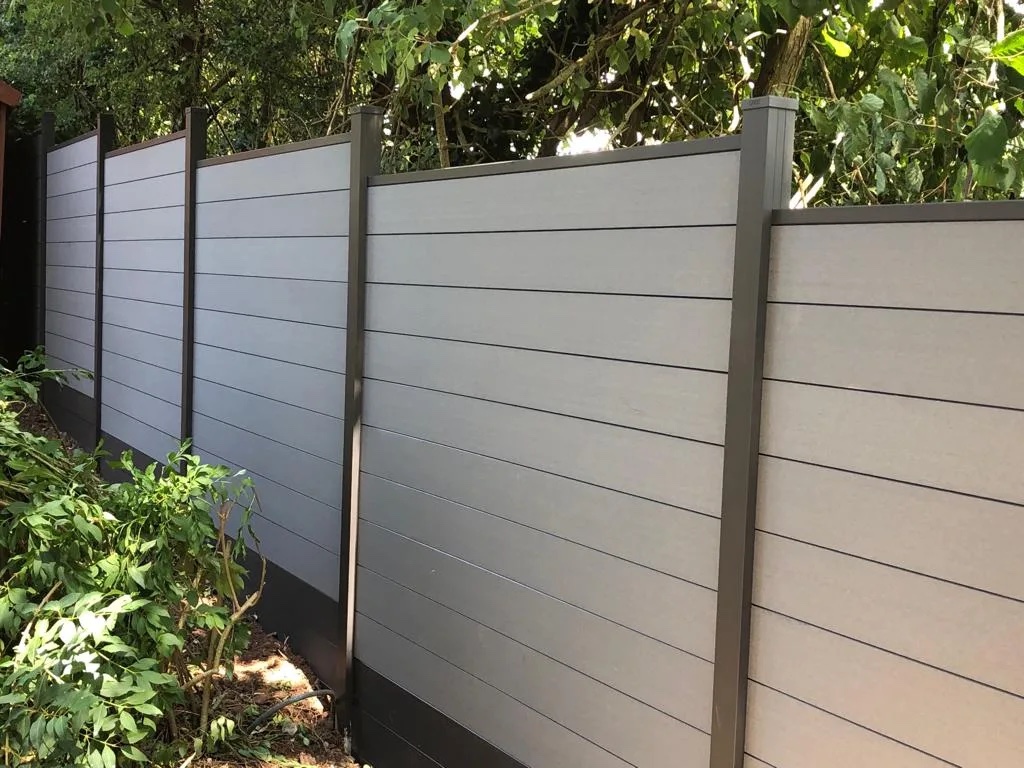
What tools do you need to install composite fencing?
Common tools used for installing composite fencing include a spirit level, post hole digger, drill, tape measure, saw, rubber mallet, and concrete mix for securing fence posts.
A circular saw or fine-tooth saw is often recommended for cutting composite fence boards to size cleanly and accurately. Accurate measurements and proper levelling are important to ensure the fence panels remain straight and stable over time.
Depending on the fencing system, additional brackets or fixing clips may also be required. Having the correct tools helps improve installation speed, panel alignment, and the overall finish of the composite fencing project.